What is Chiropractic?
Chiropractic: from the Greek chiro- (“hand”) + praktikos (“concerned with action”). Chiropractic has become the largest drug-free health care profession in the world because it has helped millions of people recover from pain and disability and minimize the use of drugs and surgery in their lives.
What a Chiropractor Does
Today’s doctor of chiropractic examines, diagnoses, and treats complaints of the neuromusculoskeletal system. This could range from neck or back pain to ankle pain or headaches. Their main goal is to locate muscles and joints that are not moving properly and restore proper movement to decrease pain.
Chiropractic and Your Nervous System
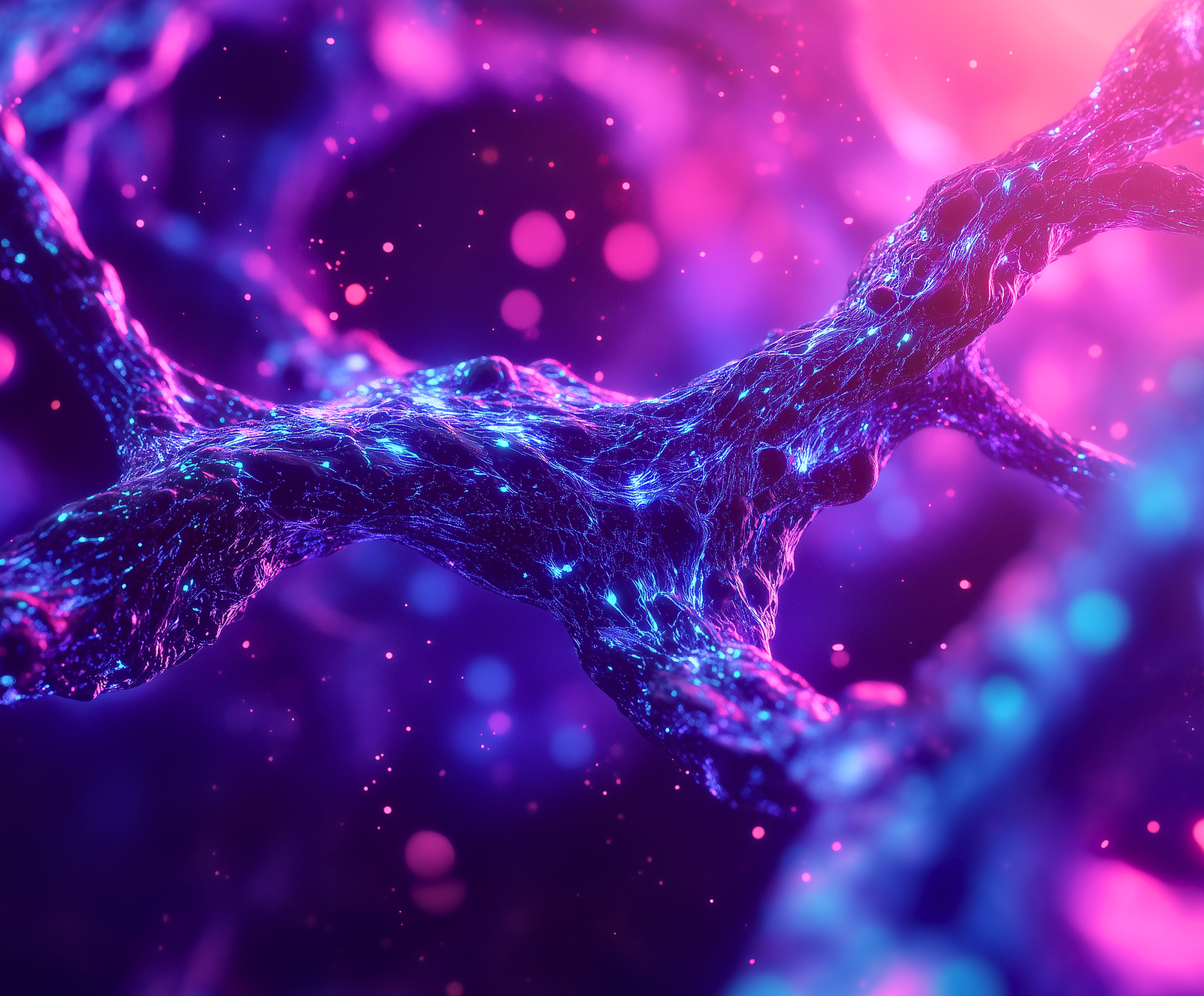
Billions of nerve fibers are bundled inside your spinal cord, an extension of your brain, which passes through your spinal column. Nerves branch off from your spinal cord through openings between the vertebrae to connect you to the world — without them, you couldn’t see, hear, touch, taste, smell, or feel hot, cold, pleasure, or pain.
These same nerves also help regulate your body’s everyday activities, like breathing, heartbeat, digestion, and your response to stress.
When a nerve becomes “pinched” or irritated, the flow of these messages can be disrupted, and your body feels it — often as pain, “pins and needles,” burning, numbness, or muscle weakness.
Your spinal column is designed to protect your spinal cord and the nerves branching from it. But when the spine isn’t moving properly, it can pinch or stretch those nerves instead of protecting them. Nerves can also become entrapped as they pass through muscles that have grown tight and sore from overuse or poor posture.
What is Causing My Pain?

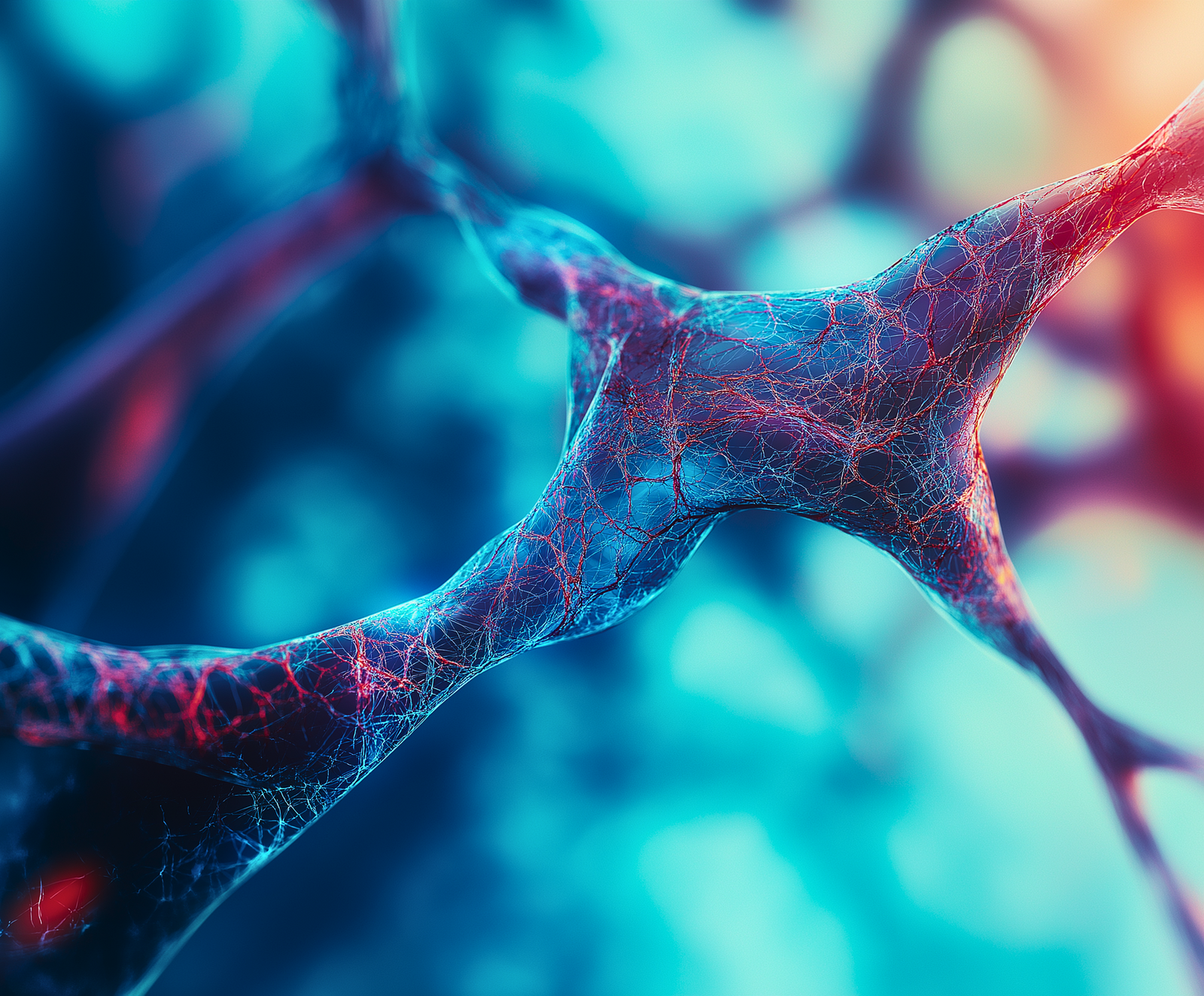
In daily life, there’s a lot we do repetitively — at work, during sports, or just relaxing at home. Our bodies are built to move in many different ways, yet most of us don’t move nearly as much as we should. When certain muscles go unused and joints stay in one position for too long, adhesions form — a kind of scar tissue that causes joints and muscles to become “stuck.” Once that happens, muscles have to work harder and become sore, spinal degeneration can begin, and inflammation builds up, which is what causes pain. Left unaddressed, this can eventually lead to injuries like herniated discs, sprains, or strains.
THE ADJUSTMENT + RECOVERY
Misalignment
Occurs
Nerve gets
irritated
Chiropractor
adjusts
Body heals +
moves better